
Assessment of Stone-Built Farm Cottage in Derbyshire
Detailed assessment found extensive 20th-century alterations and very little surviving historic fabric
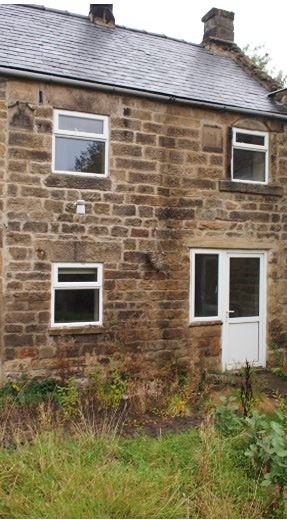
We were asked to assess the significance of a stone-built farm cottage in a remote part of Derbyshire. At first glance, the building appeared older than the description of a non-designated asset would suggest. However, a closer look, supported by background research and on-site observation, revealed a much-altered, later building that had been heavily ‘renovated’ in the 1970s and extended rather crudely in the later 20th century.
Both the roof and plan forms were reworked during the 1970s, and the later addition appeared to lack proper foundations, having begun to move away from the original structure, which was evidenced by open straight joints with no keying. Windows had been altered in both height and width to the front and rear, and the 1970s works saw the removal of the original stone lintels, replaced instead with concrete. The final indignity for this once-characterful cottage was the installation of a full set of uPVC windows.
Its saving grace lay in a few imported features: a carved stone head, a decorated octagonal chimney pot, and a date plaque reading 1842 — though that date remains disputed.
Our assessment concluded that, despite its recognition as a non-designated heritage asset, the building was of very low significance. We recommended recording it to Historic Building Recording Level II, salvaging the distinctive architectural details, and reusing as much of the original stone and materials as possible in any replacement dwelling.
Interestingly, the Historic Environment Record revealed a far more exciting discovery nearby: another carved stone head found in the adjacent stream, believed by local experts to date from the 14th century!
Please read our FAQ's section which may help with any questions you have or please get in touch with the team, we are here to help.