
Desk-Based Assessment for London Mansion
An archaeological Desk-Based Assessment (DBA) for a late 19th to early 20th century mansion block in London.
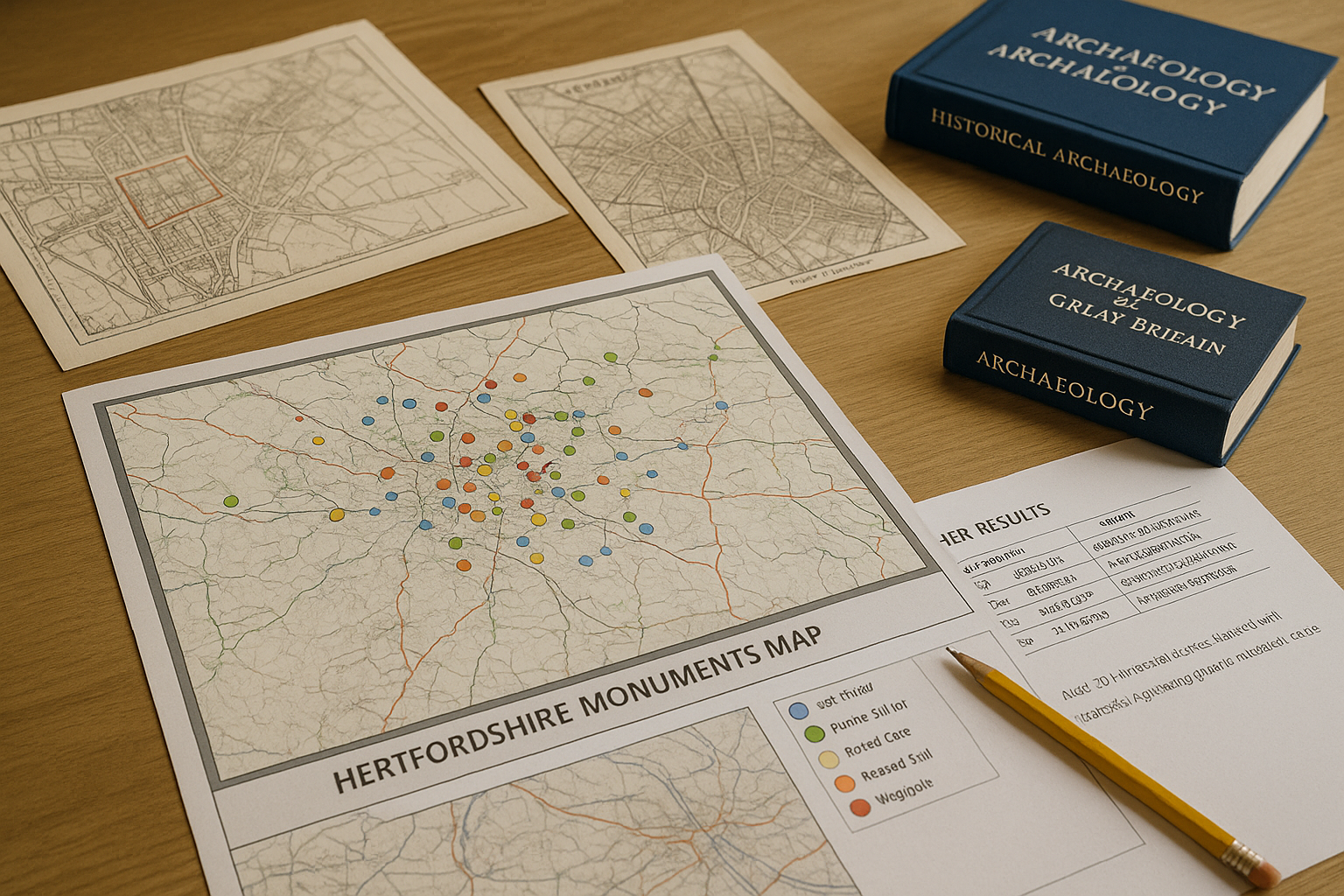
This was one of our most intriguing pieces of work. The project forms part of a planning submission for the deepening of the building’s existing basement, a development that, due to its location, carries significant archaeological considerations.
The site sits within the Campden Hill Archaeological Priority Area (APA) and on the edge of the Holland Park / Notting Hill Gate Roman Road Corridor APA. These APAs reflect the area’s rich multi-period history, from prehistoric flintworking and Roman roadside activity to medieval land-use and post-medieval estate development.
Although the current basement has already removed some of the upper archaeological layers, our research confirmed that deeper or marginal archaeological deposits may still survive, particularly within undisturbed pockets of London Clay.
Using historic mapping, the Greater London Historic Environment Record data, and a review of archaeological investigations nearby, we identified potential for:
Residual prehistoric lithics
Roman pottery and roadside features associated with the major Silchester–London route
Medieval agricultural horizons
Post-medieval boundaries and estate features
Despite this rich context, we were pleased to confirm that the proposed works would result in no harm to surrounding listed buildings or to the Kensington Palace Conservation Area, as all changes are internal and below ground.
Given the scale of excavation required to lower the basement, we advised the client that a proportionate archaeological mitigation strategy is necessary. This would typically include trial trenching or targeted test pits, agreed with Greater London’s Archaeology Advisory Service, to ensure any surviving remains are recorded before works proceed.
This project is a great example of how early, proportionate heritage input can help de-risk sensitive proposals, balancing development needs with the protection of London’s archaeological resource.
Please read our FAQ's section which may help with any questions you have or please get in touch with the team, we are here to help.