
Extending a Listed Building: What You Can and Can’t Do
Extending a listed building can feel like walking through a planning minefield. Many homeowners assume that if an extension is small, tucked away at the rear, or similar to what a neighbour has done, it will be straightforward. Unfortunately, listed buildings don’t work like that.
Because listed buildings are legally protected for their historic and architectural significance, even minor extensions or alterations may require planning permission, listed building consent, or both depending on the nature of the works. Get it wrong, and you could face refused applications, costly redesigns, enforcement action, or delays that stretch on for months.
Many homeowners ask whether you can extend a listed building in the UK at all. The answer is yes — extensions are often possible — but the process is very different from a standard house extension and requires careful design and clear heritage justification.
The good news is that extensions to listed buildings are possible — but only when they’re carefully designed, properly justified, and supported by the right heritage evidence.
In this guide, we explain:
What you can and can’t do when extending a listed building
Why listed building consent is different from standard planning permission
What councils and conservation officers really look for
How a strong Heritage Statement can make or break your application
We’ll also explain how Aurora helps clients navigate listed building extensions clearly, compliantly, and with far less stress.
Why Extending a Listed Building Is Different (and Why It Matters)
Listed buildings are protected under law because of their special architectural or historic interest. When you extend one, you’re not just altering a home — you’re making changes to a heritage asset that forms part of the nation’s shared history.
Because of this, listed building extensions are assessed against a much stricter planning framework than standard house extensions. Under the National Planning Policy Framework (NPPF), councils must give great weight to the conservation of heritage assets. Any harm, whether substantial or less than substantial, must be clearly identified and justified.
What often catches people out is assuming that:
“It’s at the back, so it won’t matter”
“It’s not visible from the street”
“It’s only a small extension”
In listed building terms, none of these guarantee approval. Internal changes, rear extensions, and single-storey additions can all be refused if they harm the building’s significance or its setting.
It’s also important to understand that listed buildings do not have permitted development rights. Carrying out works without permission is a breach of planning law.
Ignoring these principles can result in:
Refused applications
Requests for costly redesigns
Enforcement action for unauthorised works
Long-term restrictions on future development
What You Can Do When Extending a Listed Building
Despite the restrictions, extensions and alterations to listed buildings are regularly approved — when they’re done thoughtfully and supported by the right documentation.
You’re far more likely to succeed if:
The extension preserves or enhances significance
Councils want to see that the building’s historic value is understood and respected. Proposals that are clearly secondary to the original structure stand a much better chance of approval.
The design is sympathetic
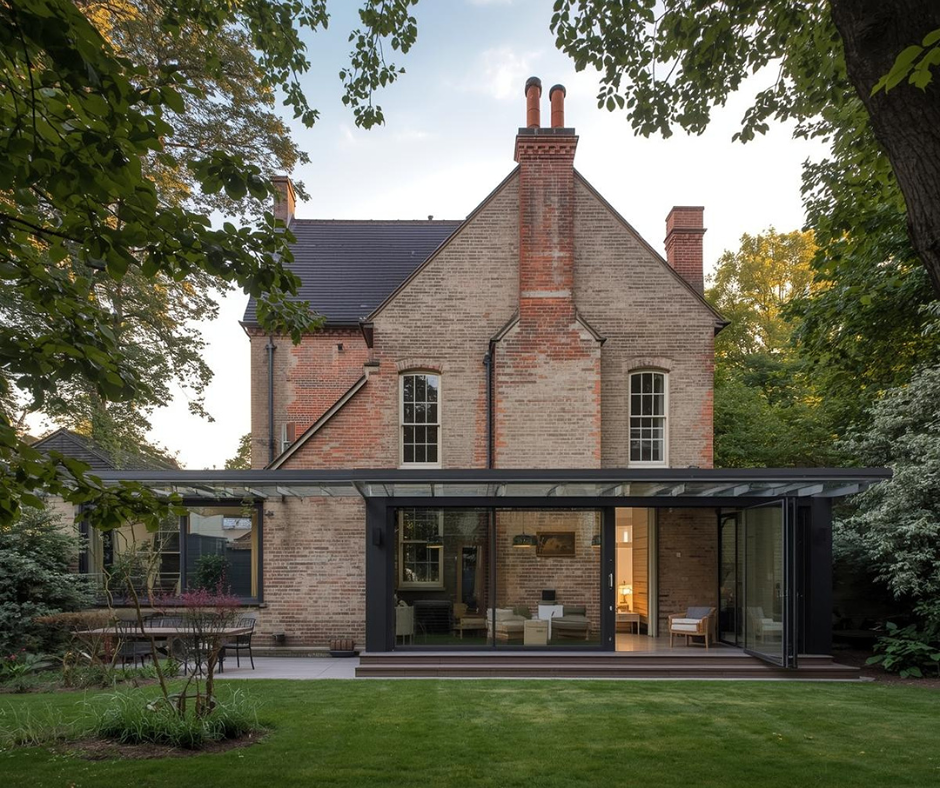
This doesn’t always mean copying the original building. In many cases, a subtle contemporary extension can be acceptable if it’s clearly distinguishable and doesn’t compete with the historic fabric.
Materials are appropriate
High-quality, compatible materials — such as traditional brick, stone, lime mortar, or timber — often make a decisive difference.
The scale is proportionate
Overly large or dominant extensions that overwhelm the original building are one of the most common reasons for refusal.
The setting is respected
Gardens, courtyards, outbuildings, and important views all form part of a listed building’s setting. Sensitive placement is key.
What You Can’t Do (Without Running Into Trouble)
Knowing what not to do is just as important. These are the issues that most often lead to refusal or enforcement action.
You generally can’t:
Remove or obscure significant historic fabric
This includes original walls, windows, roof structures, staircases, fireplaces, and decorative features — unless there’s very strong justification.
Add extensions that dominate the original building
Extensions should remain visually subordinate. If the new work draws attention away from the historic structure, it’s likely to be refused.
Use inappropriate modern materials
Highly reflective glazing, plastic cladding, concrete blocks, or poorly detailed finishes often clash with historic buildings.
Assume permitted development applies
Listed buildings do not benefit from permitted development rights. Most works will require both planning permission and listed building consent.
Start work without consent
Carrying out works without listed building consent can lead to enforcement action and, in some cases, may constitute a criminal offence - even if the work might otherwise have been considered acceptable through the proper application process.
A common mistake is assuming that because a neighbour has an extension, the same approach will work on a listed property. Each listed building is assessed on its own significance, not precedent alone.
Key Steps to Getting a Listed Building Extension Approved
Successful listed building extensions come down to preparation, evidence, and clear justification.
1. Understand the Building’s Significance
Before any design work begins, you need to understand what makes the building special. This includes:
Its age and architectural style
Historic materials and craftsmanship
Original layout and features
Its relationship to surrounding buildings and landscape
2. Design With Sensitivity
Work with designers who have experience in heritage projects. Councils expect a design response that’s informed by the building’s character, not a generic extension bolted on.
3. Prepare a Strong Heritage Statement
A Heritage Statement explains the building’s significance and assesses how the proposed works will affect it. This document is essential for listed building consent and often determines the outcome of the application.
Historic England guidance makes it clear that identifying significance and assessing impact is not optional.
4. Justify Any Harm
If the proposal causes any level of harm — even minor — it must be:
Clearly identified
Minimised through design
Justified by clear public or heritage benefits, such as improved usability or long-term conservation
5. Engage Early
Pre-application discussions with the council or advice from heritage consultants can save months of redesign and uncertainty later on.
Aurora’s Perspective: Making Listed Building Extensions Simpler
At Aurora, we understand that extending a listed building can feel daunting. The rules are complex, the language is often opaque, and the consequences of getting it wrong are serious.
Our approach is built around clarity, confidence, and support. We help clients understand what’s possible, prepare clear and robust Heritage Statements, and guide applications through listed building consent with confidence.
Thinking about extending a listed building? Don’t risk delays, refusals, or enforcement action.
Get in touch to discuss your project and receive a clear, fixed-fee quote.

Written by our Heritage Consultant, Kate Drury.
Kate is a an experienced town planner with a strong background in both private consultancy and local authority roles. She has worked on a wide range of projects, including residential, commercial, agricultural, and equestrian developments, guiding applications from inception to completion.
Comments